
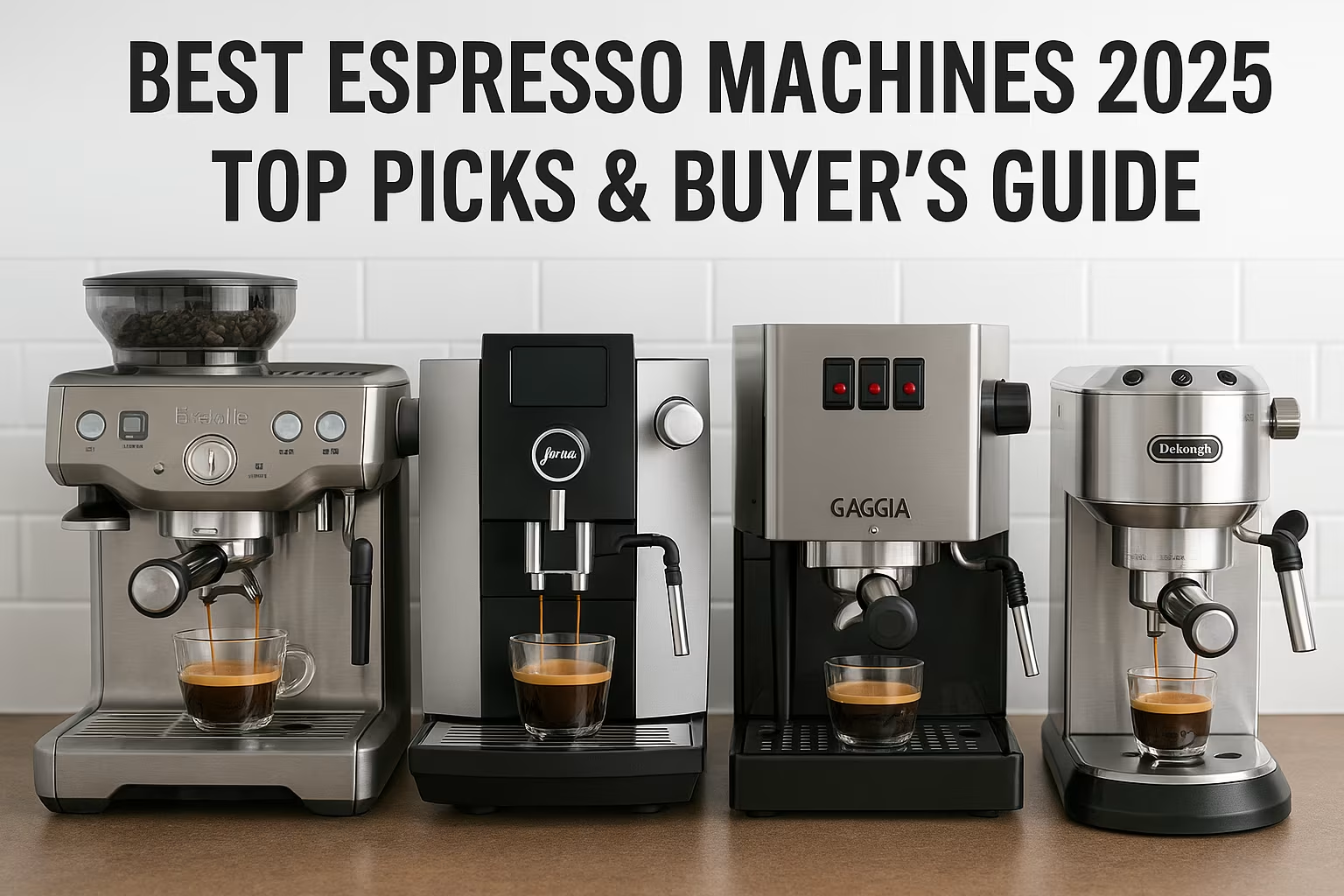
The best espresso machines of 2025 with our expert reviews and buyer’s guide. From affordable home brewers to professional-grade machines, explore top picks across budgets and features. Learn what to look for in espresso machines, compare models, avoid common mistakes, and find the perfect machine to brew café-quality coffee at home.
What Are the Best Espresso Machines?
The best espresso machines combine precision, convenience, and durability. They’re designed to consistently brew rich espresso shots while allowing room for personalization. Whether you’re a purist who enjoys the manual control of a lever machine or someone who prefers the ease of pod-based brewing, the market offers something for every taste.
Types of Espresso Machines Explained
Understanding the categories will help narrow your choices:
Manual (Lever) Machines: For traditionalists, offering full control but requiring skill.
Semi-Automatic Machines: The most popular, letting you manage grind, tamp, and shot while automating water flow.
Automatic & Super-Automatic Machines: Handle grinding, dosing, tamping, brewing, and sometimes even milk frothing. Perfect for convenience seekers.
Pod or Capsule Machines: Quick and easy, though limited in flavor control and sustainability.
Each type has its place. A beginner might appreciate a Nespresso Creatista, while a budding barista may prefer the Breville Barista Express for hands-on learning.
Top 10 Best Espresso Machines of 2026
After reviewing industry reports, barista opinions, and consumer feedback, here are the 10 best espresso machines of 2025, covering every budget and skill level.
1. Breville Barista Express Impress
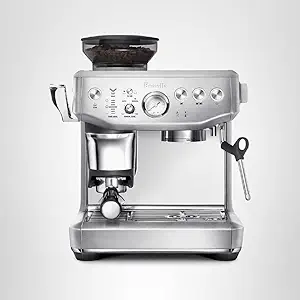
The Breville Barista Express has long been a favorite, and the 2025 Impress edition builds on its legacy with improved grind accuracy and assisted tamping. It’s ideal for those who want a semi-automatic machine that balances manual control with helpful automation.
Pros:
Built-in conical burr grinder
Assisted tamping feature for consistency
Steam wand for latte art
Cons:
Learning curve for beginners
Requires regular cleaning
2. De’Longhi La Specialista Arte
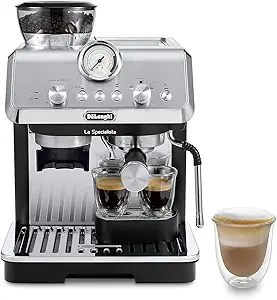
De’Longhi’s La Specialista Arte shines in the mid-range segment. It offers precise temperature control, dual heating systems, and a manual steam wand that appeals to both beginners and seasoned users.
Pros:
Compact design with professional features
Sensor grinding technology
Customizable shot size
Cons:
Grinder not as robust as standalone models
Smaller water tank
3. Gaggia Classic Pro
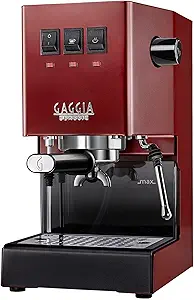
An enduring icon since the 1990s, the Gaggia Classic Pro remains one of the best budget-friendly espresso machines. Its commercial-style 58mm portafilter and rugged build make it a favorite for home enthusiasts who want café-style shots without breaking the bank.
Pros:
Affordable price point
Strong steam wand
Durable stainless steel frame
Cons:
Single boiler slows down milk steaming
No built-in grinder
4. Jura E8 Automatic Espresso Machine
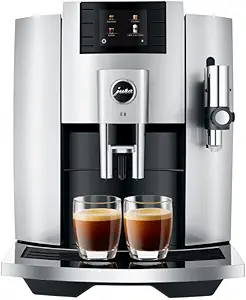
For those who prefer super-automatic convenience, the Jura E8 is a premium choice. With the touch of a button, it grinds, brews, froths milk, and self-cleans. The 2025 model features AI-powered brewing adjustments, learning your preferences over time.
Pros:
One-touch brewing for 12+ drinks
Intelligent water system for purity
Minimal maintenance required
Cons:
High price point
Limited manual control
5. Nespresso Creatista Plus
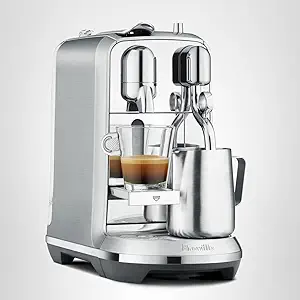
If speed and simplicity are priorities, the Nespresso Creatista Plus is one of the best pod-based espresso machines available. It stands out with its integrated steam wand, letting you make café-style lattes without hassle.
Pros:
Fast 3-second heat-up
Pod convenience with quality crema
Built-in milk frother
Cons:
Pod cost adds up over time
Limited bean variety compared to fresh grounds
6. Rancilio Silvia Espresso Machine
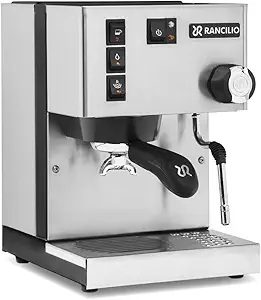
For serious home baristas, the Rancilio Silvia is legendary. Known for durability and café-level performance, it’s a semi-automatic machine that rewards practice with exceptional espresso quality.
Pros:
Professional-grade steam wand
Brass components for heat stability
Long-lasting build
Cons:
Steeper learning curve
No grinder included
7. Philips 3200 Series Fully Automatic
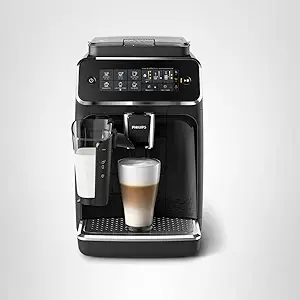
This super-automatic espresso machine is designed for households that want variety and ease. With five coffee options, an intuitive touchscreen, and a LatteGo milk system, it’s user-friendly and efficient.
Pros:
Touchscreen interface
LatteGo system is easy to clean
Multiple drink options
Cons:
Plastic build feels less premium
Grinder is loud
8. De’Longhi Dedica Arte
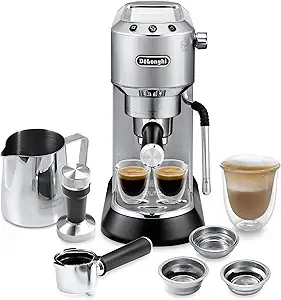
Compact yet powerful, the De’Longhi Dedica Arte is perfect for small kitchens. It delivers solid espresso shots with adjustable controls and a capable steam wand for frothing.
Pros:
Slim 6-inch design
Affordable price
Adjustable brew strength
Cons:
Small water tank
Less consistent than larger models
9. Lelit Bianca Dual Boiler
For enthusiasts seeking luxury, the Lelit Bianca is a high-end dual boiler espresso machine with manual flow control. It allows for precision profiling and is a favorite among prosumers.
Pros:
Dual boiler for simultaneous brewing and steaming
Paddle for pressure profiling
Premium Italian craftsmanship
Cons:
Very expensive
Complex for casual users
10. Calphalon Temp iQ Espresso Machine
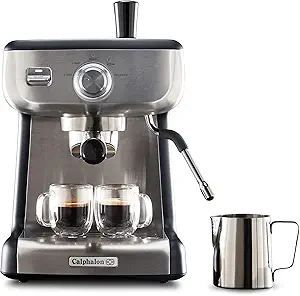
An excellent entry-level choice, the Calphalon Temp iQ balances affordability with essential features. It includes PID temperature control, a 58mm portafilter, and a steam wand suitable for lattes and cappuccinos.
Pros:
Good value for money
Stable temperature control
Beginner-friendly design
Cons:
Build quality less robust than higher-end machines
Basic steam wand
Comparison Table: Best Espresso Machines 2025
| Machine | Type | Best For | Notable Feature | |
|---|---|---|---|---|
| Breville Barista Express Impress | Semi-auto | Beginners to pros | Built-in grinder + assisted tamping | |
| De’Longhi La Specialista Arte | Semi-auto | Mid-range users | Dual heating system | |
| Gaggia Classic Pro | Semi-auto | Budget-friendly | Commercial 58mm portafilter | |
| Jura E8 | Super-auto | Convenience seekers | AI-powered brewing | |
| Nespresso Creatista Plus | Pod | Fast & simple | 3-second heat-up + steam wand | |
| Rancilio Silvia | Semi-auto | Enthusiasts | Professional steam wand | |
| Philips 3200 Series | Super-auto | Families | LatteGo system | |
| De’Longhi Dedica Arte | Semi-auto | Small spaces | Slim design | |
| Lelit Bianca Dual Boiler | Manual/Dual | Prosumers | Pressure profiling paddle | |
| Calphalon Temp iQ | Semi-auto | Beginners | PID temperature control |
How to Choose the Best Espresso Machine for You
With so many options available in 2025, deciding which machine fits your lifestyle can feel overwhelming. But the process becomes clearer when you break it down into four key factors: budget, grinder integration, boiler system, and convenience.
Budget vs Performance Considerations
Espresso machines can range from under $200 to over $3,000. A beginner might lean toward the Calphalon Temp iQ or Gaggia Classic Pro, while enthusiasts may invest in a Lelit Bianca or Jura E8. Remember the old saying: “Buy cheap, buy twice.” It’s often better to spend a little more upfront on a reliable machine than replace a budget model within a year.
Grinder vs Non-Grinder Machines
A grinder is as important as the machine itself. Machines with built-in grinders, such as the Breville Barista Express, offer convenience but require regular cleaning. Standalone grinders typically deliver more consistency. As James Hoffmann, world barista champion, notes: “Your grinder is 50% of your espresso.” Consider whether an integrated or external grinder best suits your routine.
Capacity and Boiler Type
Single Boiler: Affordable but slower, as you cannot brew and steam simultaneously.
Heat Exchange: Mid-range, allowing brewing and steaming with some limitations.
Dual Boiler: Premium, designed for prosumers who demand speed and temperature stability.
A dual boiler like the Lelit Bianca allows you to brew and froth milk without waiting, while single boiler machines like the Gaggia Classic Pro are best for smaller households.
See more: Best Chemex Filters: Top Picks & Brewing Guide
Ease of Cleaning and Maintenance
No matter how advanced a machine is, poor maintenance ruins performance. Models like the Jura E8 feature self-cleaning systems, while manual machines require more hands-on care. Think of it like owning a car—the more sophisticated it is, the more attention it needs.
Tips for Brewing Café-Quality Espresso at Home
Even with the best espresso machines, brewing a perfect shot requires skill. Here are practical tips that will help elevate your home brewing.
Coffee-to-Water Ratios and Pressure
Aim for a 1:2 ratio—for example, 18 grams of coffee yielding 36 grams of espresso in 25–30 seconds. Machines with PID temperature control, like the Calphalon Temp iQ, help maintain stability. Extraction pressure should hover around 9 bars, the industry standard.
Steaming Milk for Lattes and Cappuccinos
A silky microfoam is the secret to latte art. Start by fully submerging the steam wand, then gradually lower it to introduce air. Machines like the Breville Barista Express Impress have steam wands powerful enough to create café-quality texture.
Experimenting with Beans and Grind Size
Espresso thrives on experimentation. Try medium to dark roasts for classic Italian profiles, or single-origin beans for unique flavors. Adjust grind size to fine-tune extraction. Remember, espresso is a game of seconds—five seconds too long or short can transform flavor dramatically.
Common Mistakes When Buying Espresso Machines
Many buyers rush into their purchase and regret it later. Avoid these pitfalls to make the most of your investment.
Ignoring Grinder Quality
A $1,000 espresso machine paired with a poor grinder will underperform. As mentioned earlier, grind consistency determines extraction quality. Investing in a quality burr grinder often matters more than the machine itself.
Choosing More Features Than You Need
Super-automatic machines with dozens of drink options sound tempting, but if you mainly drink espresso and cappuccino, you may never use them. Simplify—choose a machine that fits your actual habits, not just marketing promises.
Forgetting About Maintenance Costs
Machines require regular descaling, filter replacements, and sometimes repairs. Jura and Philips models come with built-in systems, but parts are costly. Budget not just for the machine, but also for long-term upkeep.
Conclusion
The journey to finding the best espresso machines of 2025 is about more than technology—it’s about aligning your habits, tastes, and values with the right device. Whether it’s the budget-friendly Gaggia Classic Pro, the convenient Jura E8, or the high-end Lelit Bianca, each machine tells a different story about your coffee journey.

My name is Kara Chavez, and I’m a coffee writer and researcher at MTN Lyon Cafe.
I’m interested in coffee equipment, brewing methods, espresso, coffee beans, and practical ways to make better coffee at home. My work focuses on researching product information, comparing features, reviewing third-party testing and consumer feedback, and turning that information into clear, useful guides for coffee lovers.
At MTN Lyon Cafe, I aim to help readers better understand coffee products, improve their brewing knowledge, and make more informed purchasing decisions.